Biology – Cell-ebration of Life (Fall) & Dissecting Your Dinner (Spring) (Sunny Lane 2pm) 6th-12th $100/Semester
Biology – Cell-ebration of Life (Fall) & Dissecting Your Dinner (Spring) (Sunny Lane 2pm) 6th-12th $100/Semester
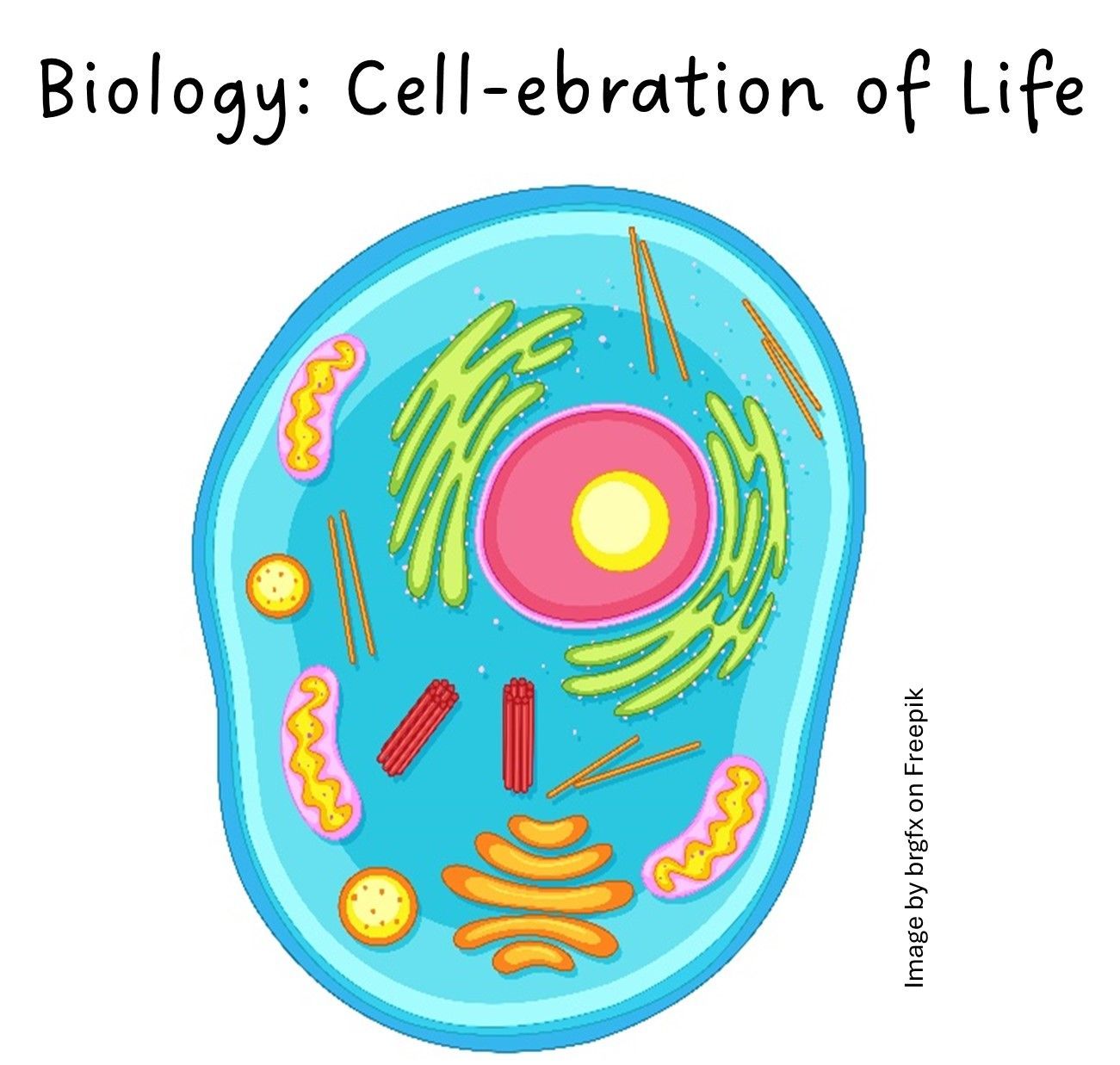
A fun, hands-on Biology course on cell structure & function, how cells make up living organisms, and cellular metabolism. In the spring, we will learn how important nutrition is, how food substances break down, or are digested, and used as energy – a study in Nutrition / Food Chemistry.
For the Fall Semester, the students will learn all about animal cells including the following:
1) History of the discovery of cells
2) The Cell Membrane
3) Cytoskeleton and Motor Proteins
4) ATP and the Mitochondria
5) Protein, DNA, and RNA
6) Lysosomes, Endoplasmic Reticulum, and Golgi Bodies
7) Nucleus and how Ribosomes are made
8) Cell Metabolism and Peroxisomes
9) Mitosis and Meiosis
10) Types of Cells
During Spring Semester, we will learn to “Dissect Our Dinner” – a study in Food Chemistry & Nutrition. Although, this class covers a lot of “chemistry” it can also be considered a life science course due to the topics and mechanisms covered. As we dissect our dinner, each chapter covers a different “course” of the meal. Topics that will be covered will include:
1.) A simple review of the structure of molecules and well-known compounds (water, sugars, carbohydrates, etc) before delving into the real good stuff.
2.) Beverages & Condiments - Carbonation, gasses, mixtures, caffeine molecules, benzene rings, artificial colors & preservatives, phosphoric acid, pH scale, pasteurization, probiotics, milk proteins, colloids, and some enzymes.
3.) Appetizers - How butter is made, beta-carotene molecule and how it breaks into two retinols, triglycerides, protein micelles in milk, chemistry of curdling milk, microorganisms in cheese, lactic acid fermentation, yeasts, more enzymes, amino acids,
4.) Salads - Emulsions and emulsifiers, anatomy of leaves, chloroplasts, chlorophyll, phtyochemicals (polyphenols such as flavonoids, resveratrol, curcumin, tannins), the history of the discovery of vitamins and information about different vitamins, comparison of type of salad greens, fiber, microbiome in our gut, cellulose and cellulase.
5.) Main Course - Anatomy of bean pods and seeds, chemistry of bean seeds (oil bodies, protein bodies, starch granules), endosperm, phytohemagglutinin, raffinose in beans, solanine in potatoes and other nightshades, potatoes and sweet potatoes, microscopic comparison of starch granules, the anatomy of muscle tissue, myoglobin, hemoglobin, omega-3 fatty acids, saturated and unsaturated fats, cis and trans fats,
6.) Desserts - Anatomy of eggs, chemistry of beating egg whites (meringue), why eggs can make custard, thickening with starches, vegetable shortening, hydrogenating oils, physics of pie crust, collagen-based gelatins, history of Jell-O, why whipped cream gets thick, agar, pectin, carrageenan, chocolate (theobromine), caffeine, types of sugar, caramelization, menthol, xylitol, stevia, artificial sweeteners.
This class is intended for middle school and high school students. Although the material will be in-depth, class time will include labs, group activities, games, and hands-on learning. There will be material for the students to learn at home during the week via textbook, videos, and assignments, but the main focus of class time will be to engage students in learning together. We will get to learn to use microscopes, identify various types of cells, extract DNA from cells, build cell models, see reactions and the breakdown of food substances, experience some tasty treats, and lots more!
For those wanting high school science lab credit, this class will count for a lab science. Additionally, if you want your students to receive a “grade” for their work, please contact me to let me know. Depending on the number of students and grade levels, additional work and assessments will be given to upper-level high school students to ensure proper credit.
This class is intended to teach cellular structure and function (fall semester) and having a better understanding of nutrition and food properties (spring semester). Some of the material may seem complex, but do not be discouraged! The information is presented in a way that allows complex concepts to be better understood. Reading and being able to learn vocabulary will be important in this class, however the textbook tries to make complex information fun and easy to understand. The activities planned for in-class will help students engage, learn together, and help solidify the concepts. Please let me know if your student has any special requests or needs and I will do my best to accommodate.
This class is intended to be FUN while also learning some pretty complex science stuff. 😊
Instructor: Tirzah Deans 864-729-0029 tirzahdeans@gmail.com
Instructor’s other classes can be viewed at lifehs.net/category/tirzah-deans
Required Materials:
Fall Semester:
Cells Student Text 2nd EDITION by Ellen McHenry (2022 edition). 116 pgs.
Spring Semester:
Dissect Your Dinner; Student Text Paperback – May 1, 2022 by Ellen Johnston McHenry. 136 pgs.
(Please Note: there is a STUDENT text and a Student/Teacher text). Students will only need the Student textbooks, they should be less than $20 each.
These books can be found on Amazon and other book websites.
There is also a downloadable version as well, if that is preferred, but some assignments will be used in the book.
Additionally, some household materials may be needed for labs occasionally, but requests for this will be known ahead of time.
Binder/Folder for notes and assignments would be beneficial.
Internet access will also be helpful for watching video assignments.
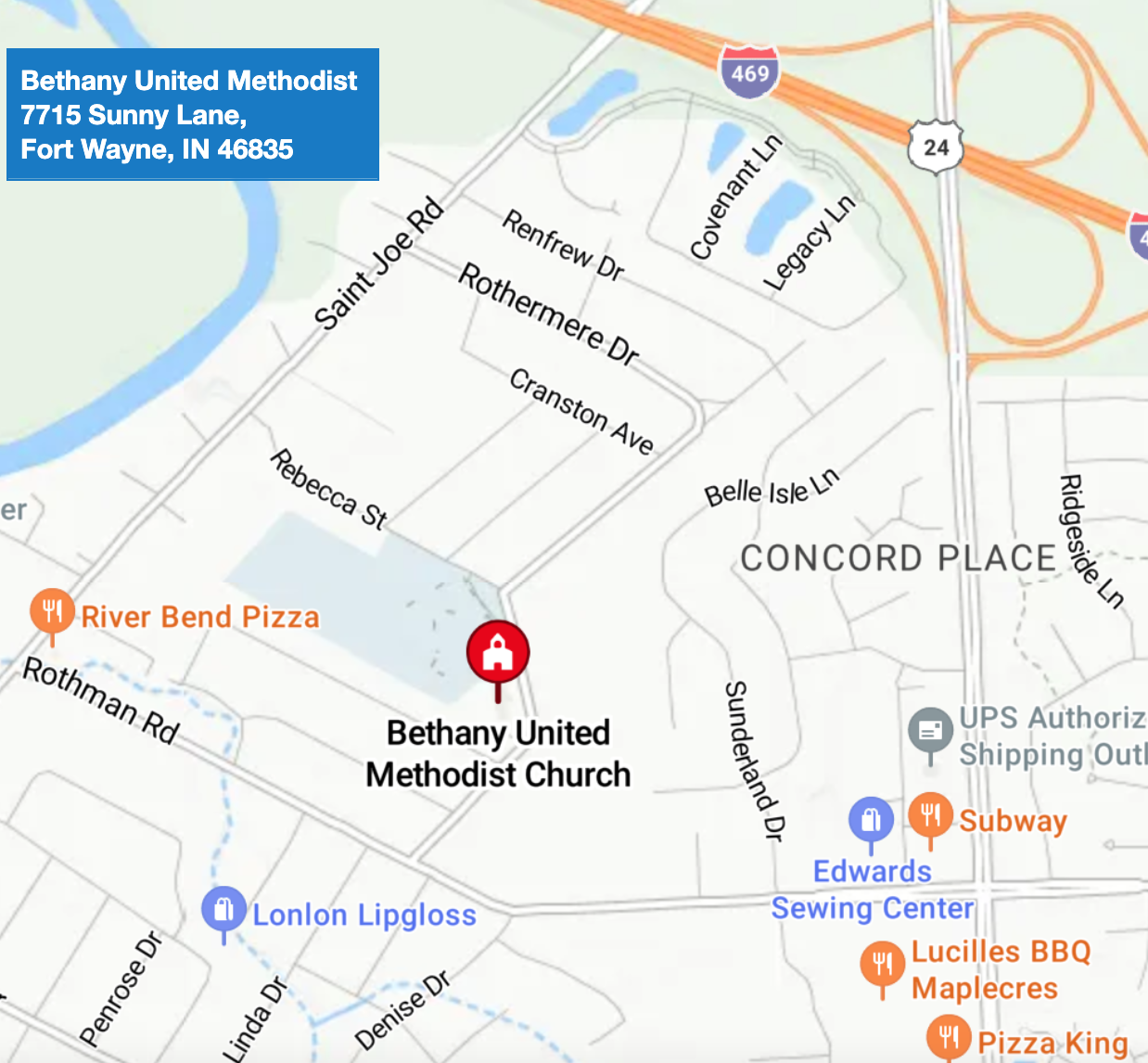
Bethany United Methodist 7715 Sunny Ln, Fort Wayne, IN 46835 Directions
* If a student has special needs, please contact the teacher to discuss any accommodations that might be made.
** All classes require online family registration and enrollment. Year-long classes carry a $50 yearly enrollment fee. This enrolls your student in the class for the entire year. There is no need to re-enroll for 2nd semester. The cost listed in the title of the class is per semester and is due no later than the first day of each semester in an envelope labeled with your student's name & the class name with cash or a check made out to the teacher. Registration and Enrollment Fees are non-refundable.
